
What Does It Mean to “Follow the Child”?
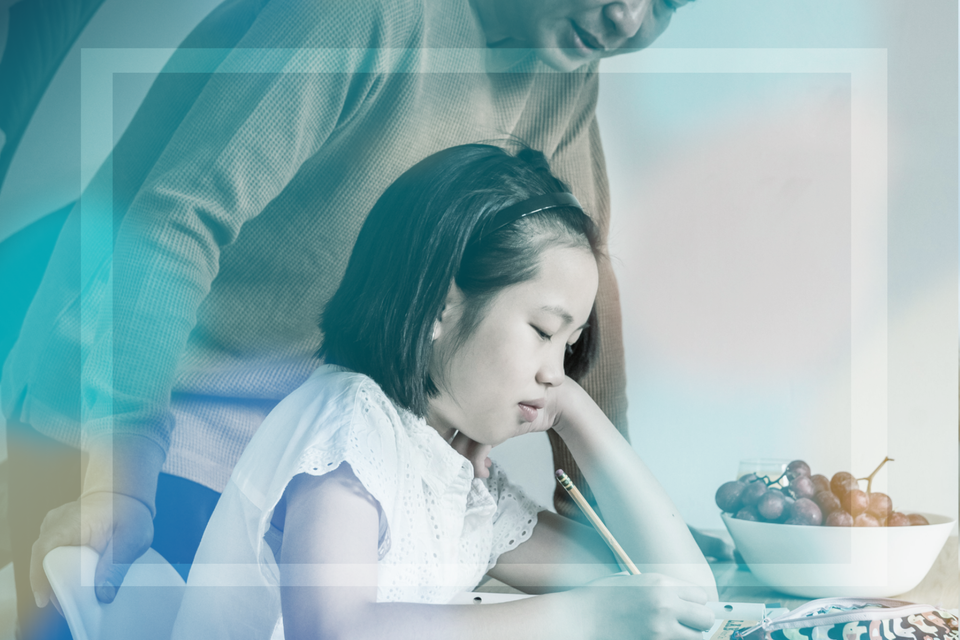
In Montessori education, the phrase “follow the child” is often used, but it can easily be misunderstood. It does not mean allowing a child to do whatever they want without guidance. It means learning to observe the child carefully, preparing an environment that supports their development, and giving them the space to practise independence.
To understand “follow the child,” we must also understand two other important Montessori ideas:
Prepare the environment.
Observe without judgement or unnecessary interference.
When these three ideas work together, following the child becomes a clear and practical way to support learning at home.
Children Are Natural Learners
Maria Montessori believed that every child is born with their own interests, thoughts, ideas, and purpose. Adults cannot force these things into a child. We discover them by observing the child.
Children learn by doing. They learn to walk, talk, move, touch, carry, pour, balance, sort, build, question, and explore through their senses and through repeated practice. Long before a child can explain what they need in words, they are already communicating through their movements, choices, frustrations, interests, and attempts.
When we slow down and observe, we begin to see what the child is trying to master.
A child who keeps trying to carry objects may be building strength and coordination.
A child who wants to pour water may be developing control, balance, and independence.
A child who repeats the same activity may be refining a skill.
A child who insists, “I can do it,” may be asking for the right tools, not adult rescue.
Following the child means noticing these signals and asking:
What is my child trying to learn right now?
What support would help them do more for themselves?
Following the Child in Everyday Life
A simple example is a child learning to walk.
Even if we wanted to, we cannot teach a child to walk by physically moving one foot in front of the other for them. Walking develops through readiness, effort, balance, repetition, and confidence.
What we can do is observe.
We may notice that the child is pulling themselves up, holding onto furniture, or trying to stand without support. These signs tell us that the child may be ready to practise walking.
Then we prepare the environment.
We clear the floor. We move obstacles. We make sure the space is safe. We may offer our hands for balance, but we do not do the walking for the child. We support the child’s effort while allowing the child to own the skill.
That is following the child.
The same principle applies to many areas of development: reading, writing, tidying, dressing, preparing food, washing hands, pouring a drink, sweeping crumbs, or putting toys away.
The adult’s role is not to take over. The adult’s role is to observe, prepare, model, and support.
Preparing the Environment
Preparing the environment means looking at the home from the child’s perspective.
If you have ever visited a Montessori setting, you may have noticed that the space looks calm, orderly, and familiar. It may feel like a home, but many items are child-sized. Tables, chairs, shelves, jugs, bowls, cloths, trays, and tools are arranged so children can use them independently.
This matters because children are capable of learning many practical life skills when they are shown how to use tools that fit their size and stage of development.
Many tasks adults see as ordinary can be exciting and meaningful for children:
- Wiping the table after a meal.
- Washing a cup.
- Sweeping crumbs from the floor.
- Pouring water.
- Folding cloths.
- Putting books back on a shelf.
- Choosing an activity and returning it when finished.
These tasks develop coordination, concentration, confidence, order, independence, and responsibility.
A prepared environment does not need to be expensive or complicated. It may simply mean:
- A low shelf with a few accessible books.
- A small jug for pouring water.
- A child-sized cloth for wiping spills.
- A basket for writing materials.
- A safe space for practising movement.
- A routine where the child knows where things belong.
When the environment is prepared, the child receives a powerful message:
You are capable. You belong here. You can take part in everyday life.
Observing Without Interfering
Observation is one of the most important adult skills, and it takes practice.
As adults, we often rush to help. We may step in because the child is taking too long, making a mess, struggling, or doing something differently from how we would do it. Sometimes we mistake struggle for failure.
But struggle is often part of learning.
When we interfere too quickly, we may accidentally remove the very opportunity the child needed. A child learning to pour may spill. A child learning to write may grip the pencil awkwardly. A child learning to tidy may take longer than expected. A child learning to dress may put something on the wrong way first.
These moments are not always problems. They are information.
Observing without judgement allows us to see what the child truly needs. It helps us distinguish between a child who needs help and a child who needs time.
Of course, adults must step in where there is danger. Safety comes first. But when there is no immediate danger, pausing before helping can be one of the most respectful things we do for a child.
Instead of immediately saying, “Let me do it,” we can ask:
Is my child safe?
Are they still trying?
What skill are they practising?
Do they need help, or do they need space?
Can I model the next step instead of taking over?
This kind of observation helps us create a natural curriculum for the child. We begin to see what they are drawn to, what they are ready for, and where they need support.
Modelling Before Correcting
Children learn deeply from what adults model.
If we want a child to wipe the table, we can show them slowly.
If we want a child to handle books carefully, we can demonstrate turning pages with care.
If we want a child to speak respectfully, we can speak respectfully to them.
If we want a child to tidy after an activity, we can make tidying part of the activity.
Modelling gives the child a pattern to follow without shame or pressure.
Correction has its place, but it is not always the first tool. Often, the better approach is to slow down, demonstrate, and invite the child to try again.
Following the Child Builds Independence
Following the child is not passive. It is active, thoughtful, and intentional.
It asks the adult to pay attention.
It asks the adult to prepare.
It asks the adult to trust the child’s development.
It asks the adult to support without controlling every step.
This is liberating for both the child and the adult.
The child gains confidence because they are given opportunities to practise real skills. The adult gains a clearer understanding of the child’s needs, interests, and abilities. Learning becomes less about pressure and more about partnership.
The Montessori phrase “Help me to do it by myself” captures this beautifully.
Children do not need adults to do everything for them. They need adults to create the conditions where independence can grow.
A Simple Way to Begin at Home
This week, choose one ordinary task your child is interested in.
It may be pouring a drink, putting away books, helping with laundry, wiping the table, writing their name, choosing a story, or preparing a snack.
Then try this simple process:
Observe what your child is already trying to do.
Prepare the space so the task is safe and child-friendly.
Model the action slowly.
Step back and allow your child to try.
Only help when needed.
Celebrate the effort, not just the result.
This is what it means to follow the child.
It is not about perfection. It is about paying attention, preparing with care, and giving children the dignity of meaningful participation in their own learning.
For more support on how to follow your child’s learning journey at home, you are welcome to book a parent consultation with Educate The Globe.